Herlev Sygehus-heltene
AR Enhanced Mobile Game to Ease Pediatric Anxiety
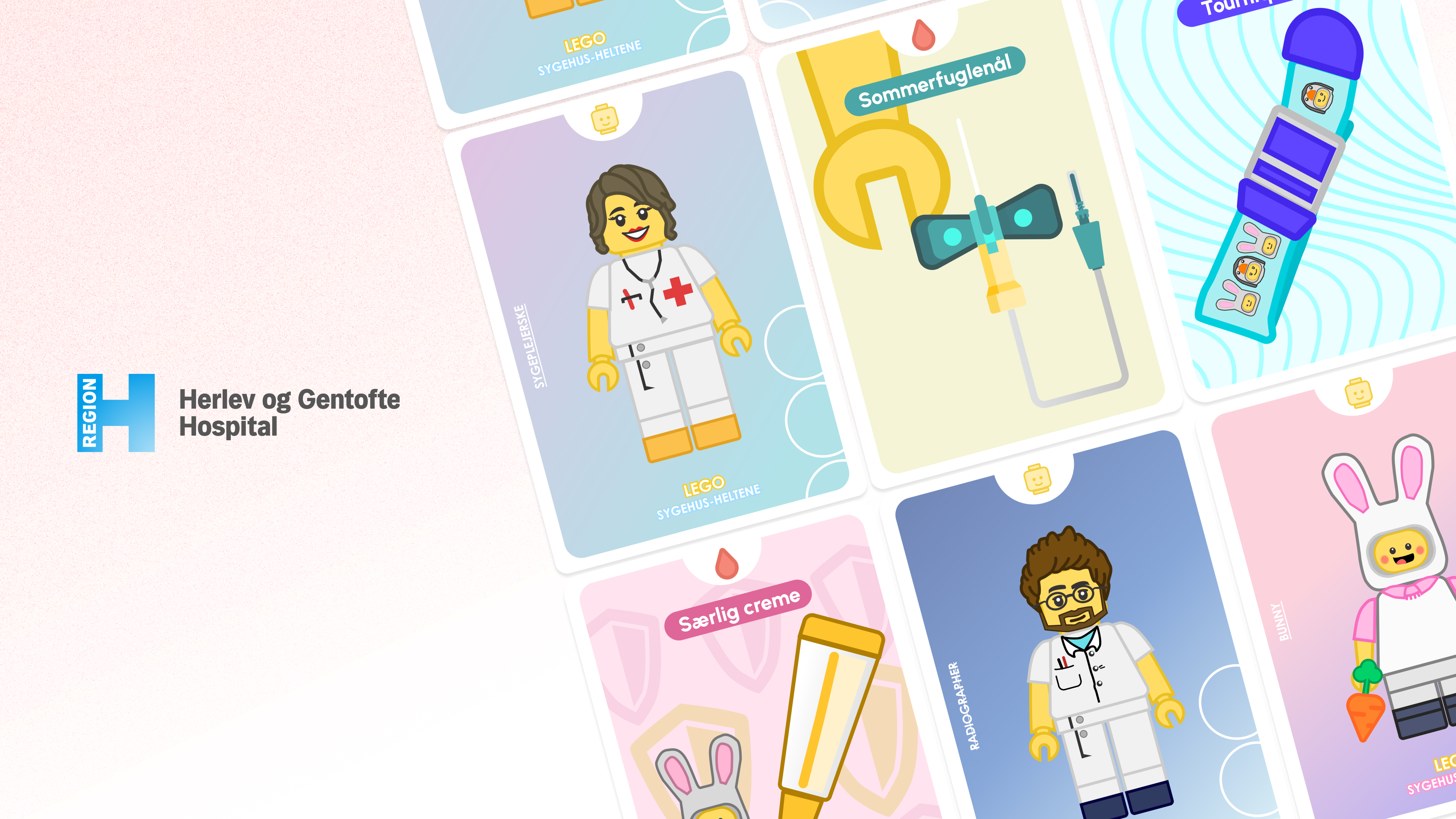
Developed as my master's thesis in collaboration with Herlev Hospital, this project explores how digital play can reduce anxiety for children in Pediatric Emergency Departments. Research showed that fear often comes from unfamiliar environments and procedures. The solution combines a mobile serious game featuring LEGO characters with AR cards that explain medical procedures through playful interaction.
Testing with eight pediatric patients showed that 75% found the experience helpful and more engaging than passive videos. I led the project end-to-end, including field research, stakeholder interviews, game design, 3D modeling, AR development, and usability testing using Figma, Blender, and Unity.
Children's Anxiety in PED
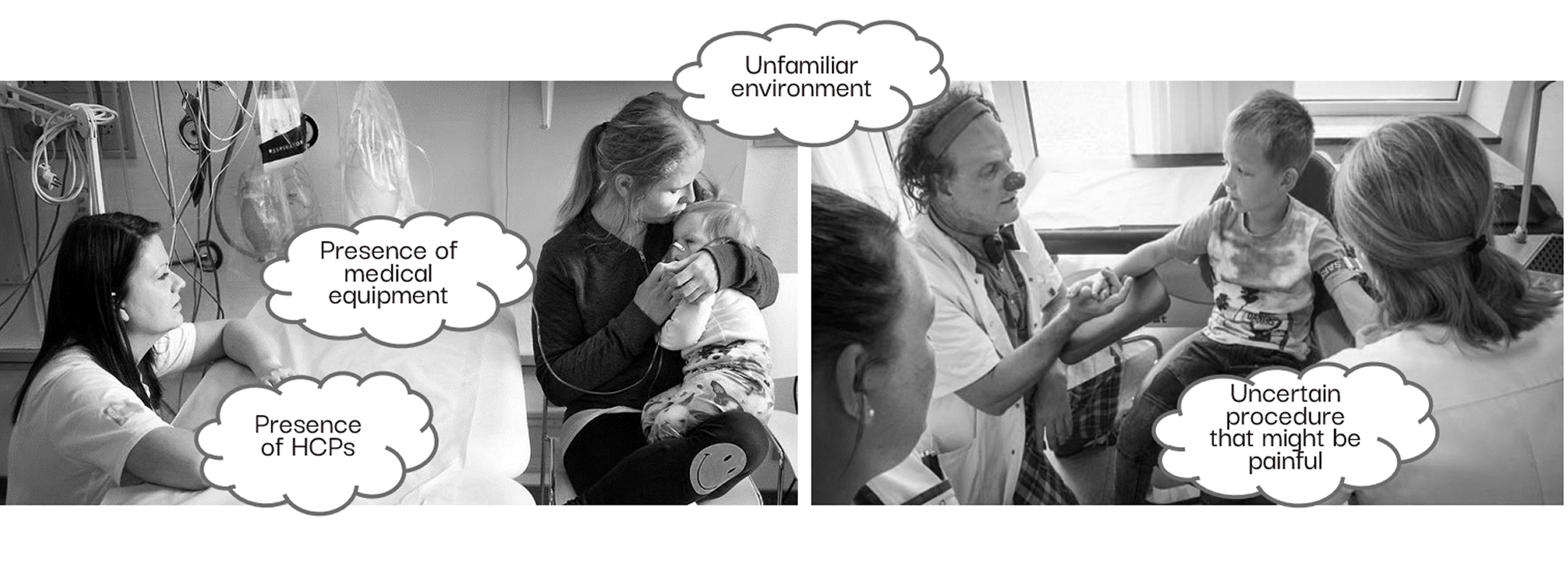
A visit to the emergency department can be highly stressful, especially for children. They often experience uncertainty, extended wait times, and heightened anxiety due to the unfamiliar surroundings, medical equipment, and unfamiliar procedures.
Purpose Statement
Joined the project after the initial research phase and focused on translating existing insights into scenario-based concepts and prototypes. The process used progressive prototyping to explore, validate, and articulate the design vision.
There is a noticeable absence of effective preparation strategies that reduce children's anticipatory anxiety and contribute to their uncooperative behavior during procedures.
Can a digital intervention be designed to prepare children during their visit to the emergency department, with a focus on reducing their anxiety?
Design a digital preparation intervention that has the potential to transfer age-appropriate knowledge and educate children in an engaging and informative manner.
Framework and Approaches
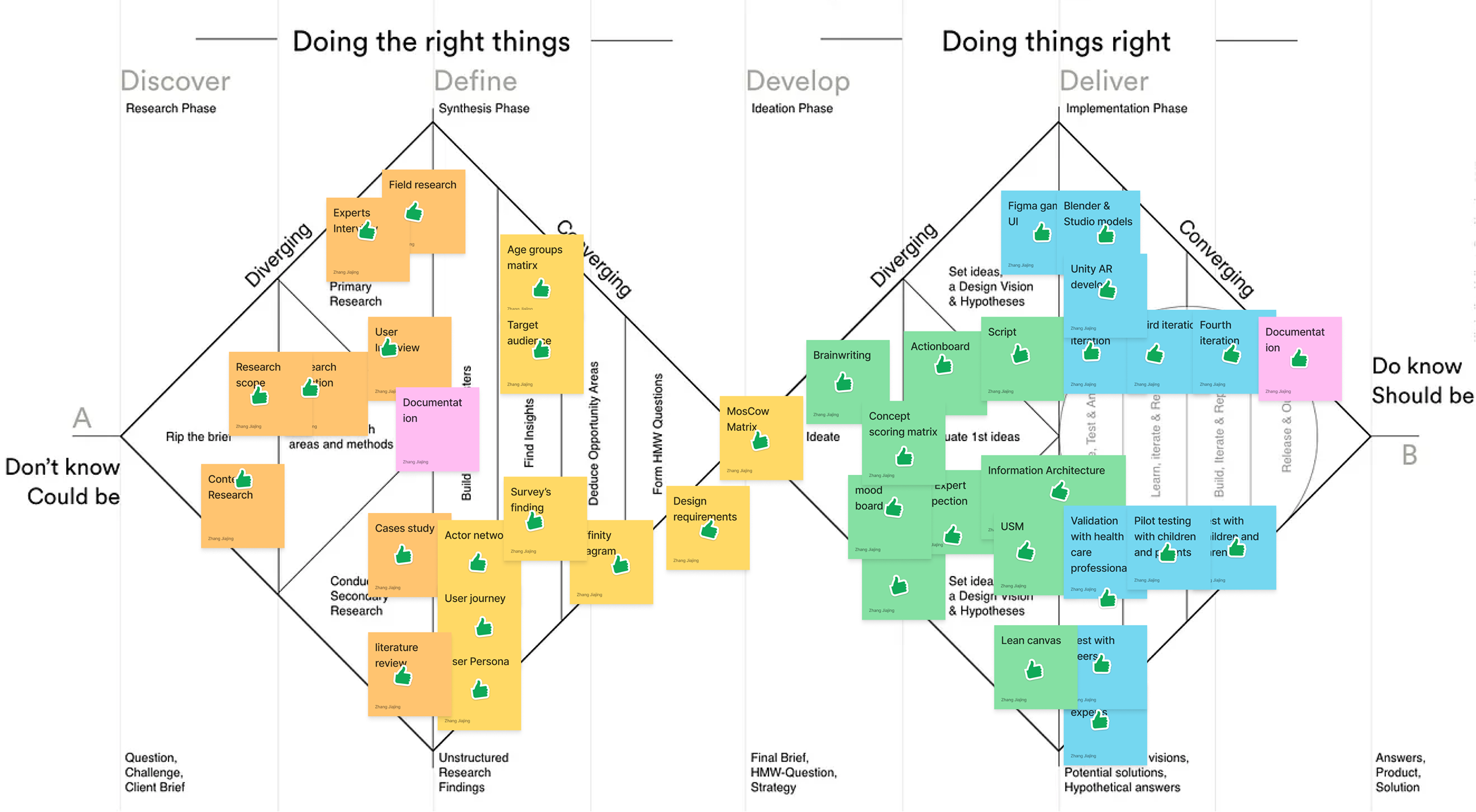
This project utilizes a Revamped Double Diamond framework. It incorporates principles from The Stanford Design Thinking Process and IDEO's Human-centered Design Guide. Additionally, methods and tools from The UX Book and IDEO's design kit are employed.
Literature Review
In the "Discover" phase, I conducted a comprehensive literature review to gain insights into pediatric procedural preparation, which included examining theoretical models and the overview of preparation strategy. This literature review played a crucial role in shaping the design solutions by providing theoretical evidence.
Overview Of Procedural Preparation Strategy
Preparation
Strategy
A range of methods aimed at enhancing children's comprehension of medical procedures by providing them with essential information and teaching coping skills
- Vary depending on child's condition and the nature of the procedure.
- The optimal timing for providing remains an area of limited knowledge.
- Age appropriate
- Procedural information
- Sensory based
- Coping strategies
- Visual aid
- Interactive media
Understanding the Problem
To uncover why children feel anxious in Pediatric Emergency Departments, I conducted field research at Herlev Hospital. Through observations, stakeholder interviews, and ecosystem mapping, I analyzed how children experience the waiting and treatment process. The research revealed key gaps in how medical procedures are explained to young patients.
O b s e r v a t i o n
Patients and the environment of the PED were observed and analyzed to figure out children's experiences and to understand their practical and emotional needs related to anxiety while they waited for treatment.
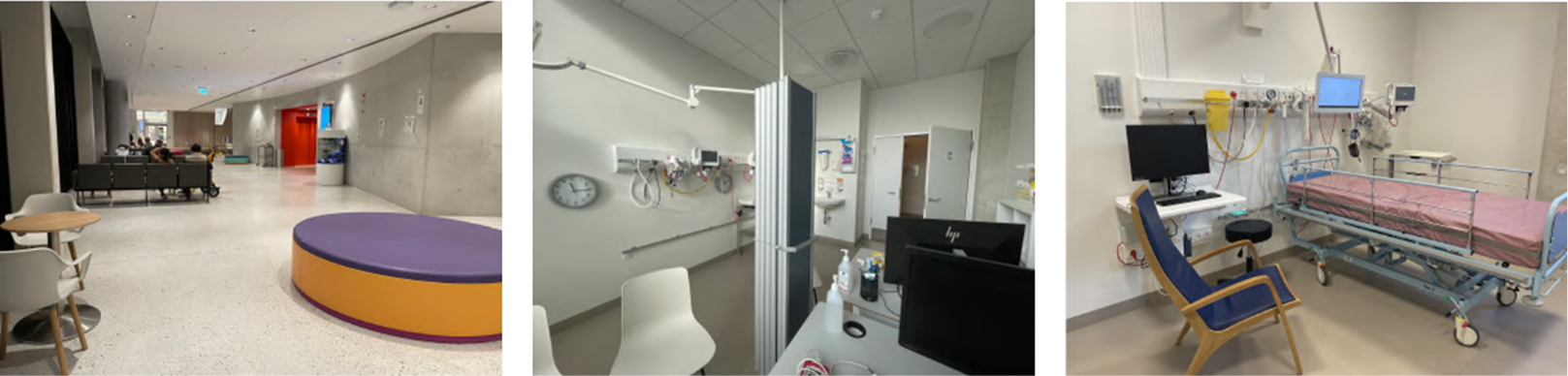
Environment Observation
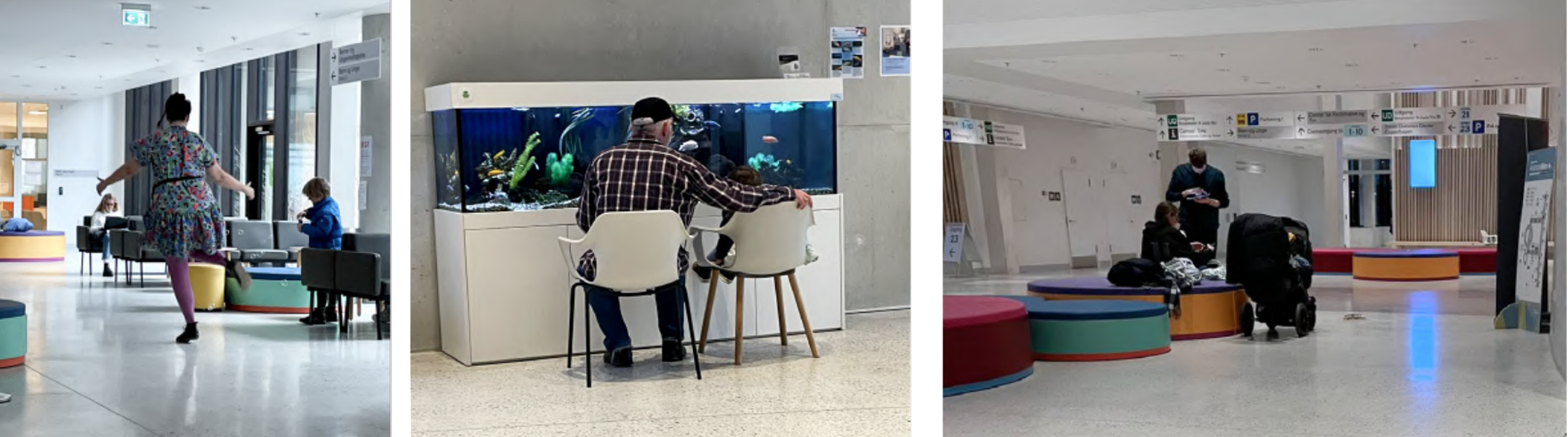
Patient Observation
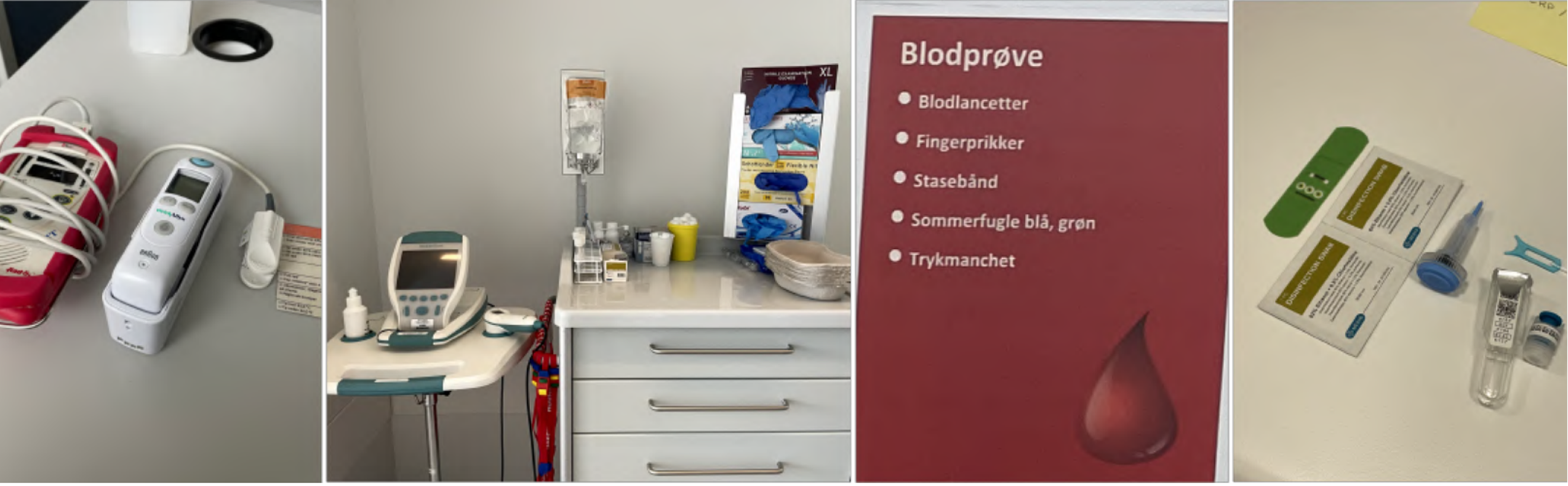
Nurse Shadowing
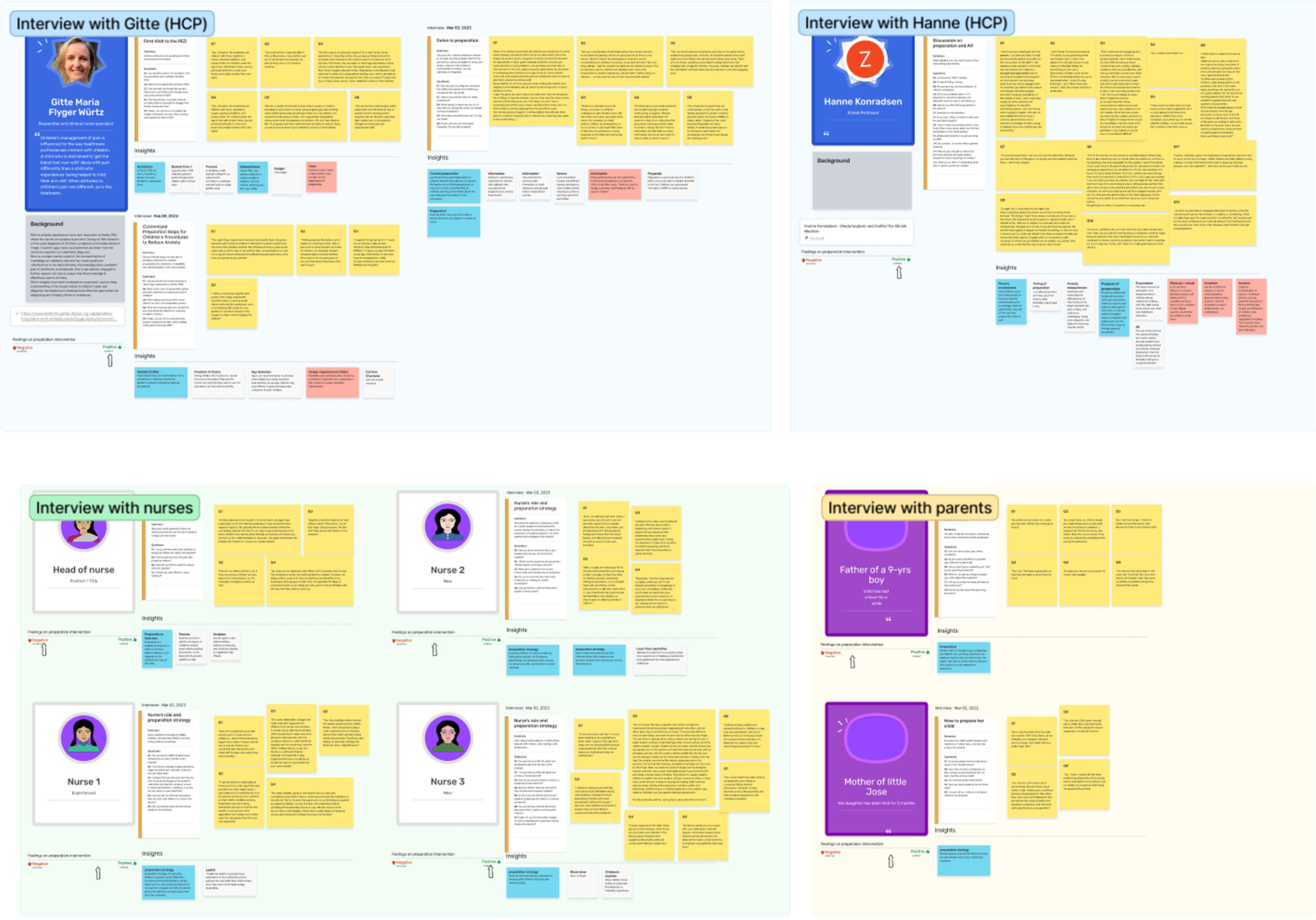
I n t e r v i e w
Interviews with healthcare professionals (HCPs) and caregivers in Herlev's PED, conducted with permission and recorded, provided valuable insights on children's anxiety and preparation strategies.
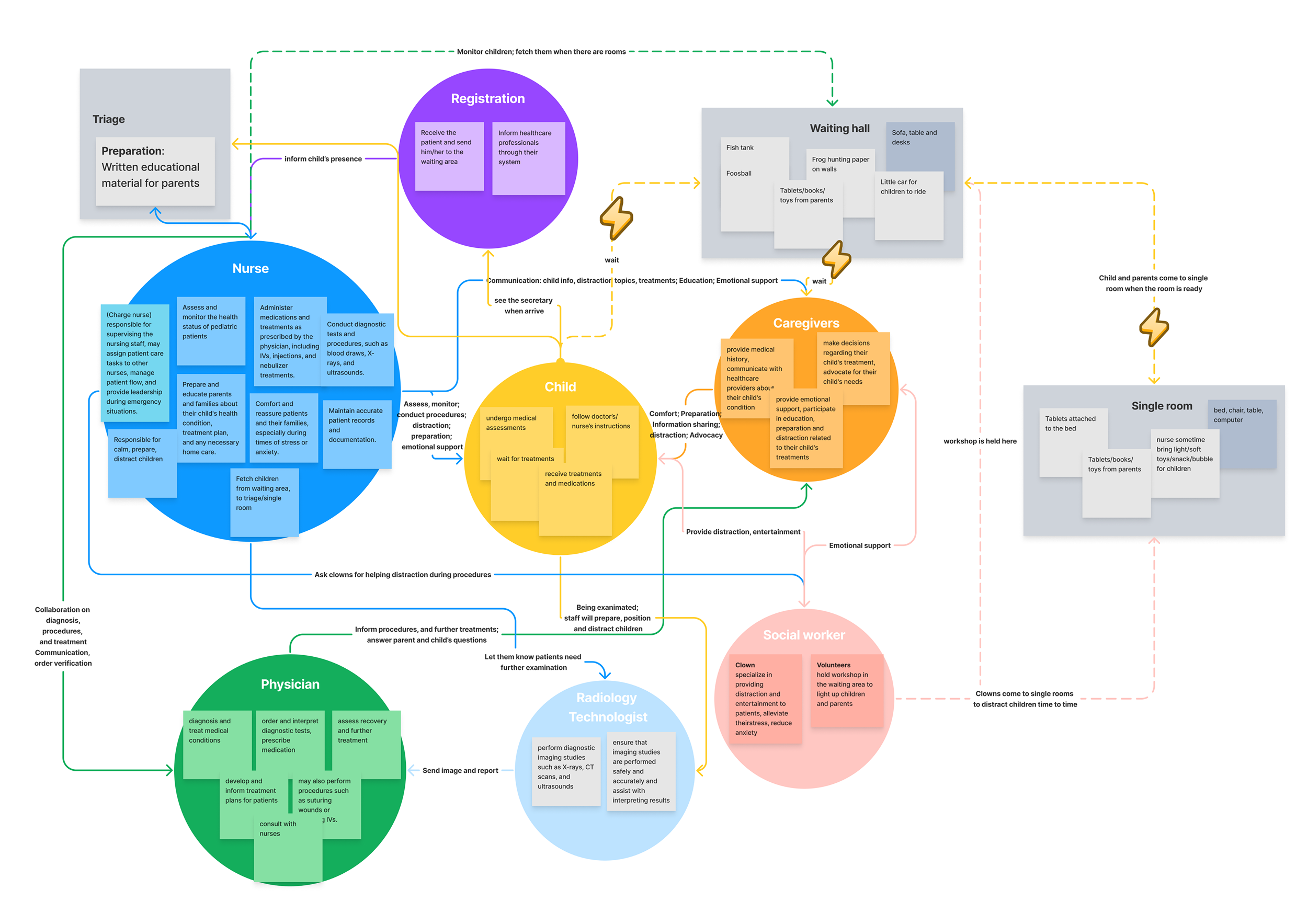
C u r r e n t E c o s y s t e m I n T h e P E D
It illustrates interactions among key stakeholders and the presence of resources within the pediatric emergency department (PED), helping identify areas for improving the preparation process for children and caregivers.
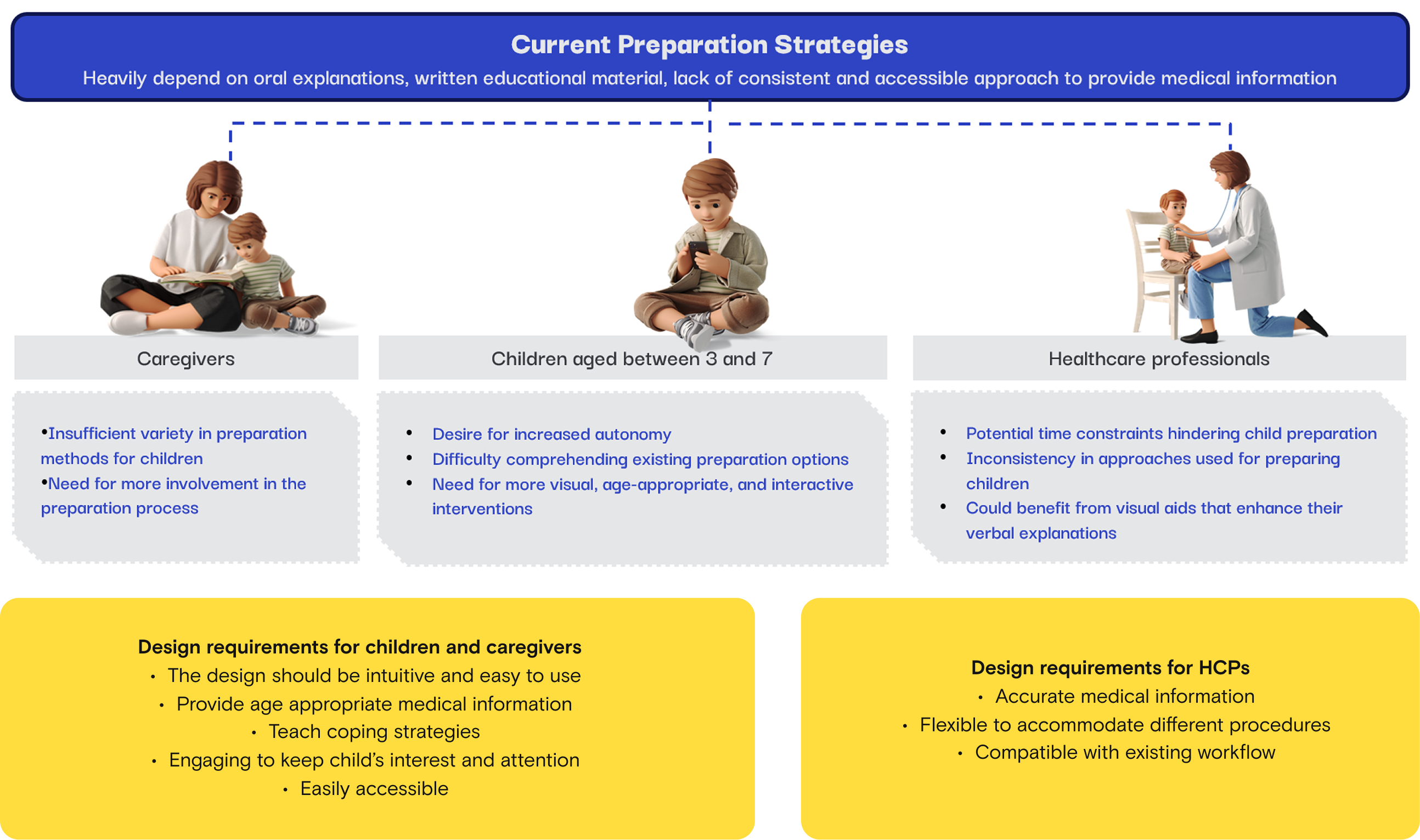
Requirements
To uncover why children feel anxious in Pediatric Emergency Departments, I conducted field research at Herlev Hospital. Through observations, stakeholder interviews, and ecosystem mapping, I analyzed how children experience the waiting and treatment process. The research revealed key gaps in how medical procedures are explained to young patients.
Concept development
To uncover why children feel anxious in Pediatric Emergency Departments, I conducted field research at Herlev Hospital. Through observations, stakeholder interviews, and ecosystem mapping, I analyzed how children experience the waiting and treatment process. The research revealed key gaps in how medical procedures are explained to young patients.
Affinity Diagram
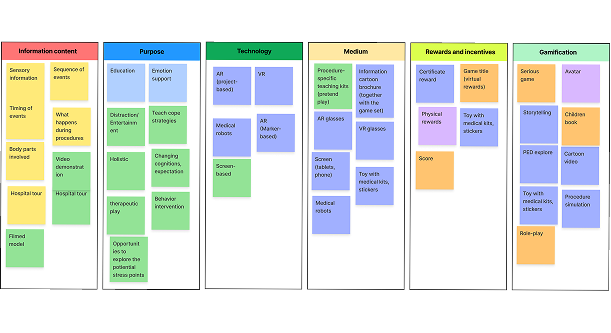
Categorized ideas into content, purpose, technology and gamification themes. Focus on accessibility and engaging interactions.
Morphology Chart
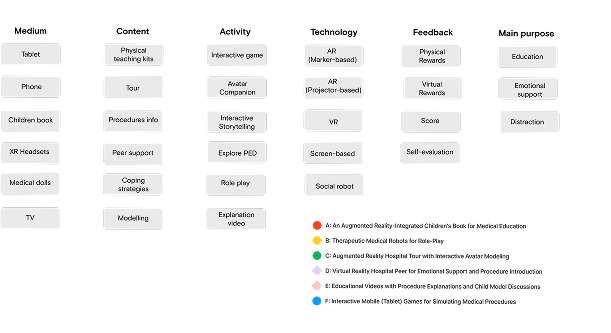
Six categories exploring medium, content, activity, and technology combinations. Generated six distinct concept options.
Concept Evaluation
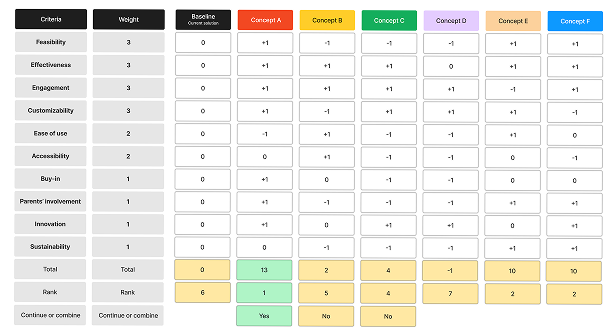
Use Pugh matrix evaluation based on feasibility and engagement criteria. AR-enhanced LEGO game scored highest.
Concept Sketching
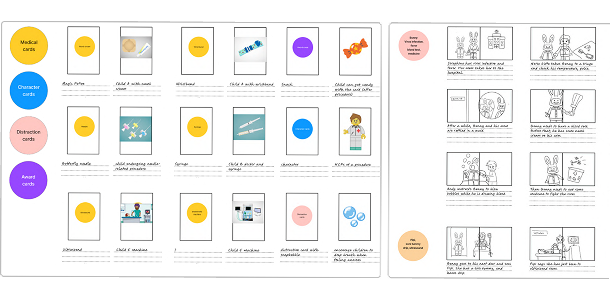
Visualized LEGO characters guiding children through hospital procedures. Healthcare professionals confirmed educational value.
Final Concept
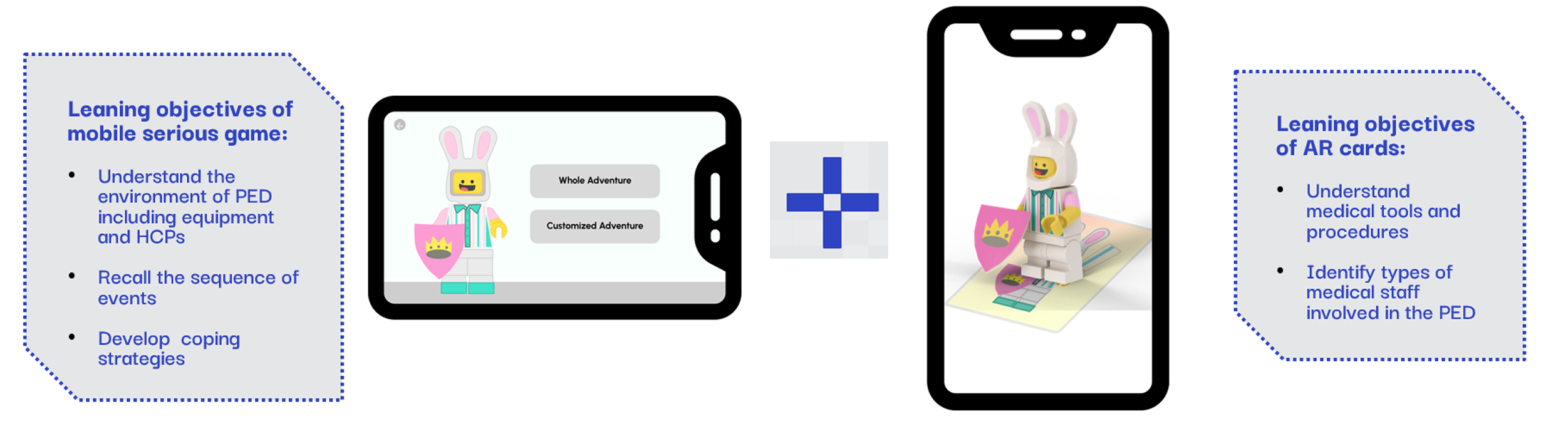
Designing the Experience
U I F o u n d a t i o n
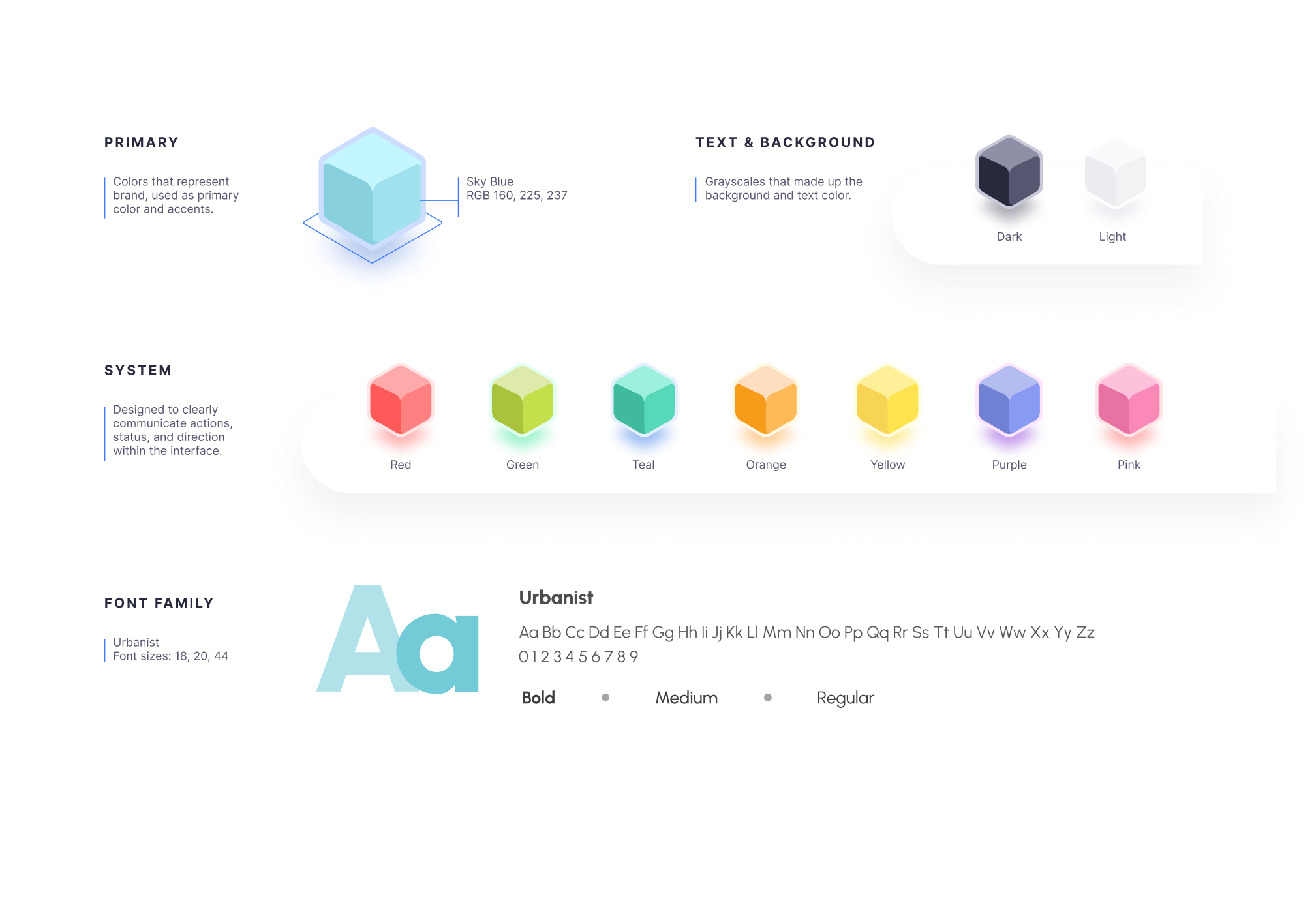
C h a r a c t e r s
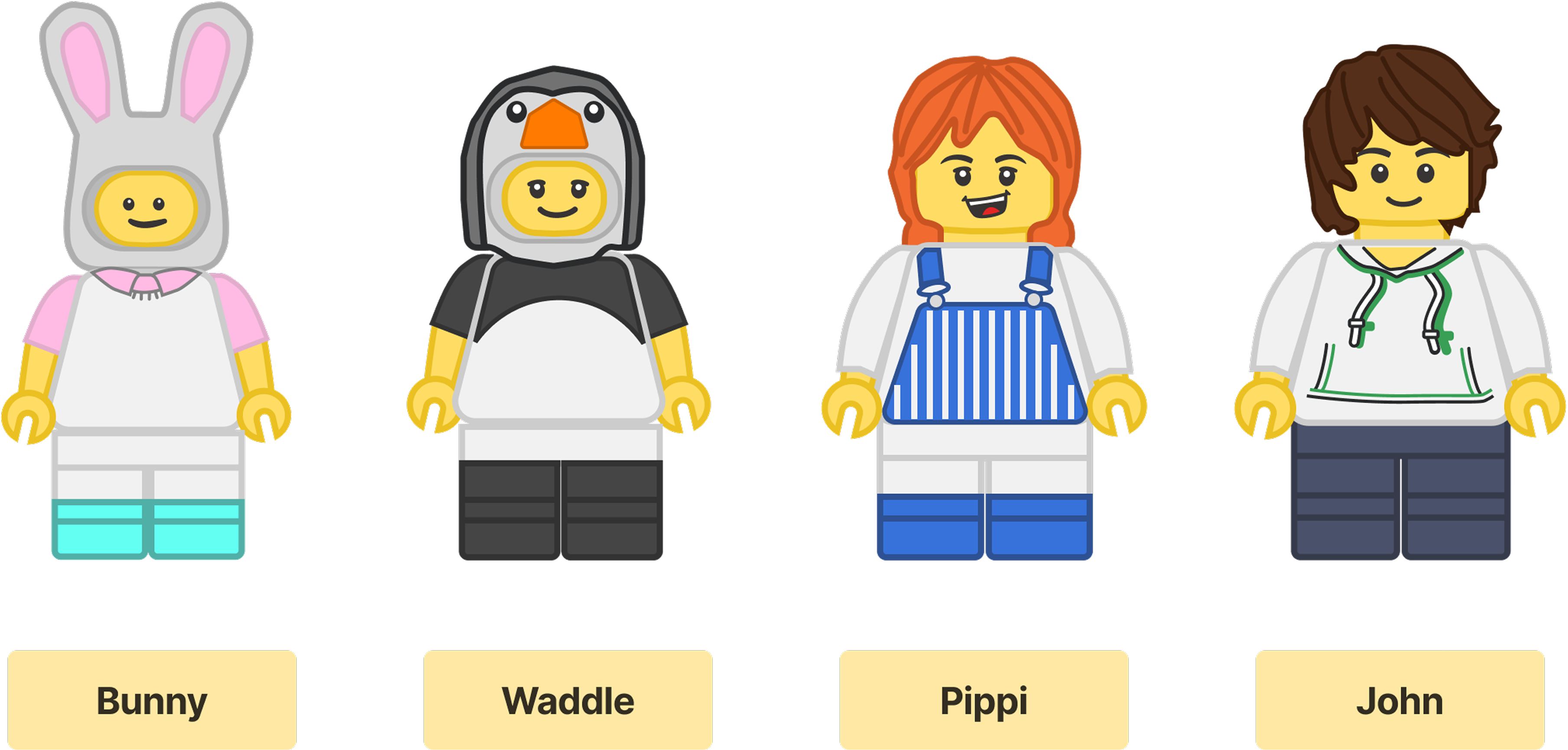
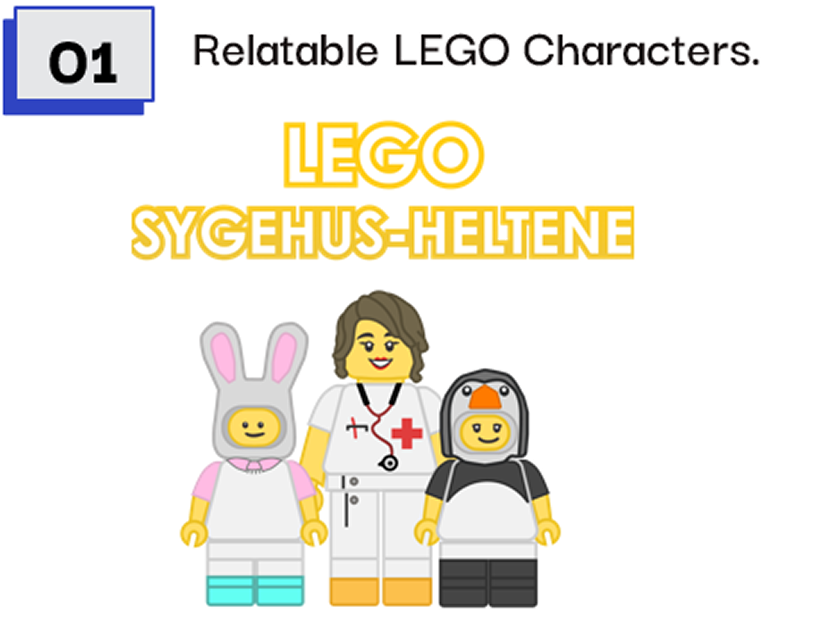
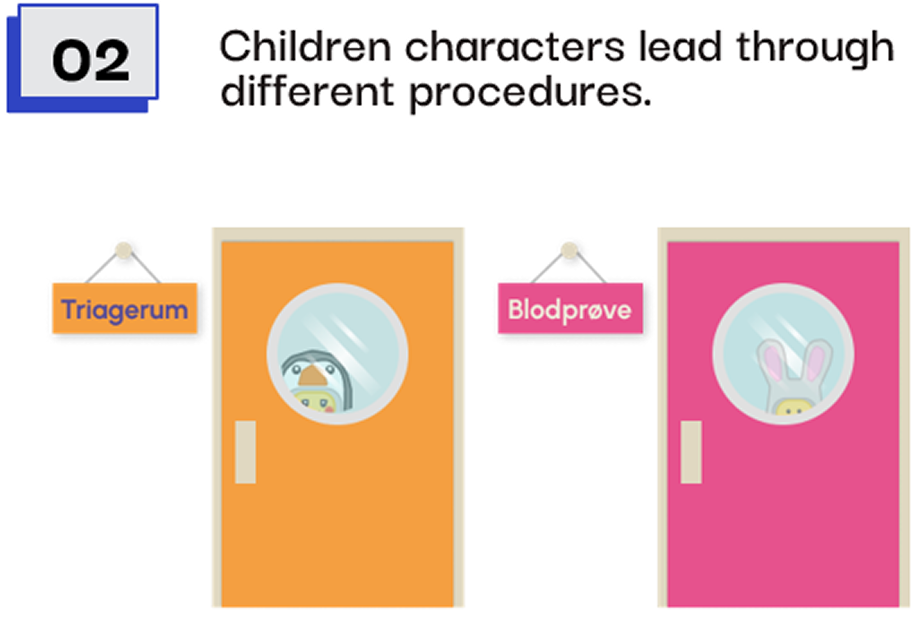
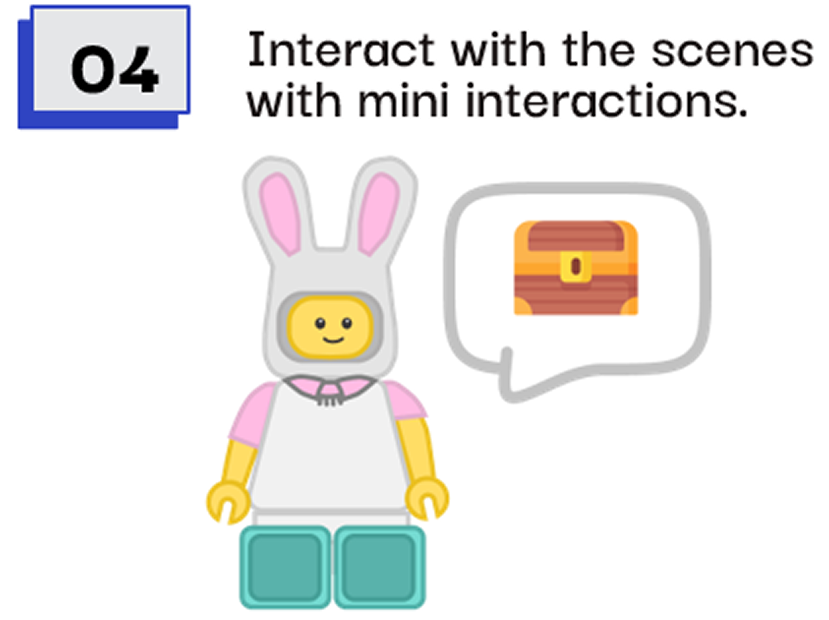
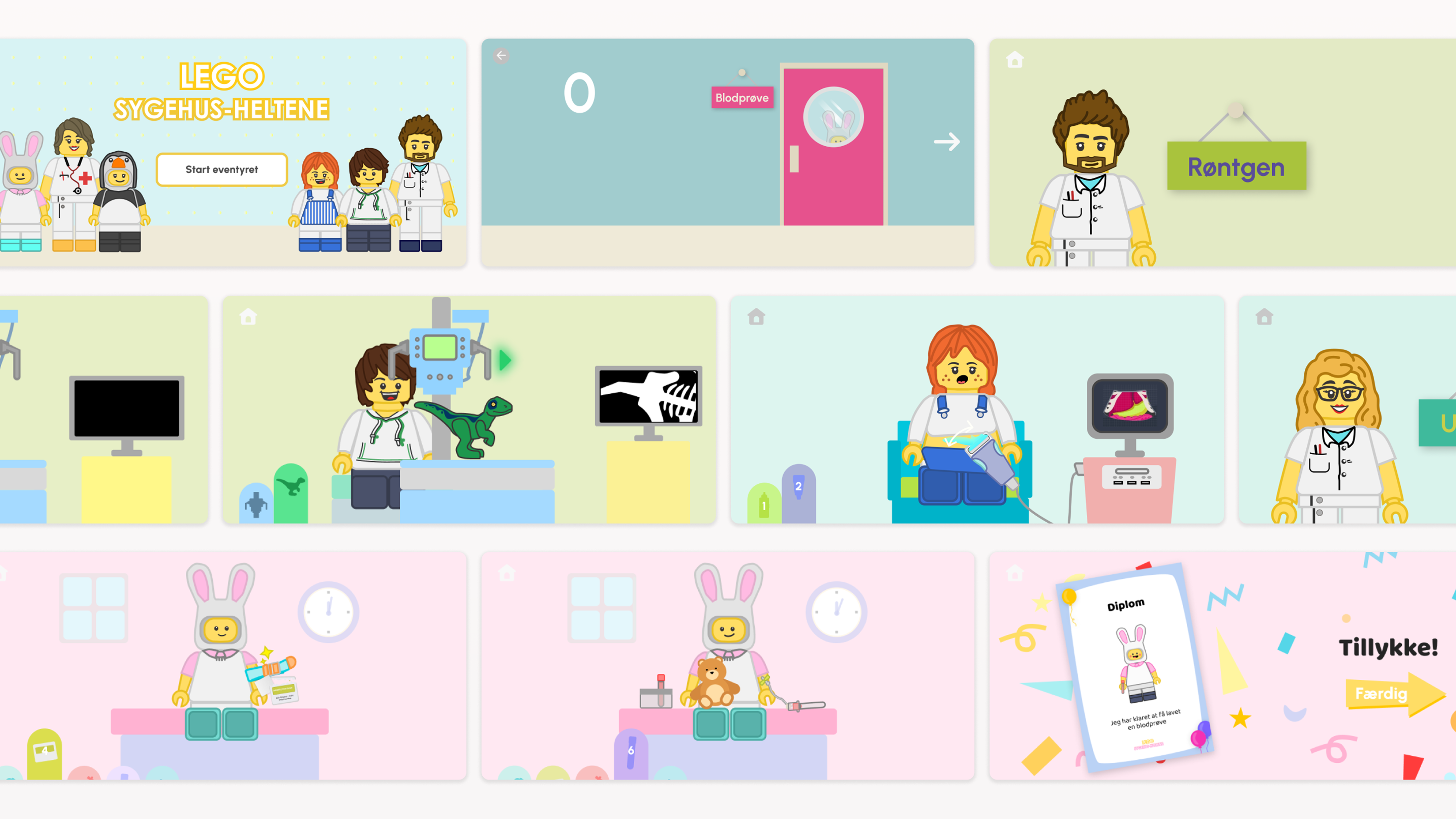
The game is based in Herlev Hospital's Pediatric Emergency Department (PED) and follows characters Bunny, Waddle, Pippi, and John. Players explore different examination rooms, interact with healthcare professionals, and engage with medical equipment to learn about procedures in an educational and fun way.
K e y F e a t u r e s
The game is based in Herlev Hospital's Pediatric Emergency Department (PED) and follows characters Bunny, Waddle, Pippi, and John. Players explore different examination rooms, interact with healthcare professionals, and engage with medical equipment to learn about procedures in an educational and fun way.
A R C a r d D e s i g n
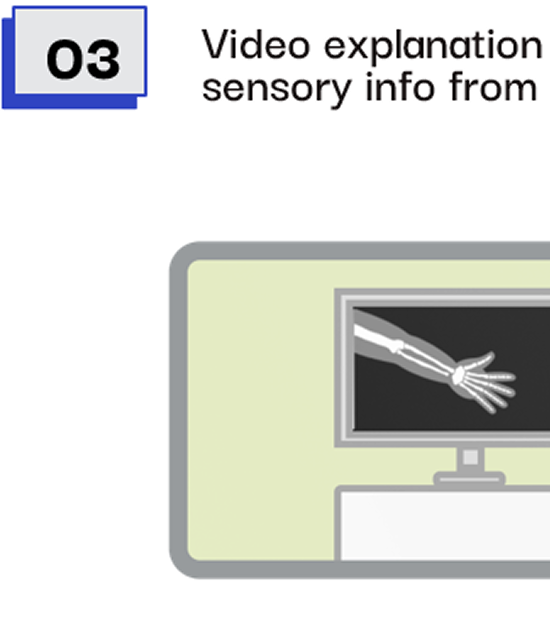
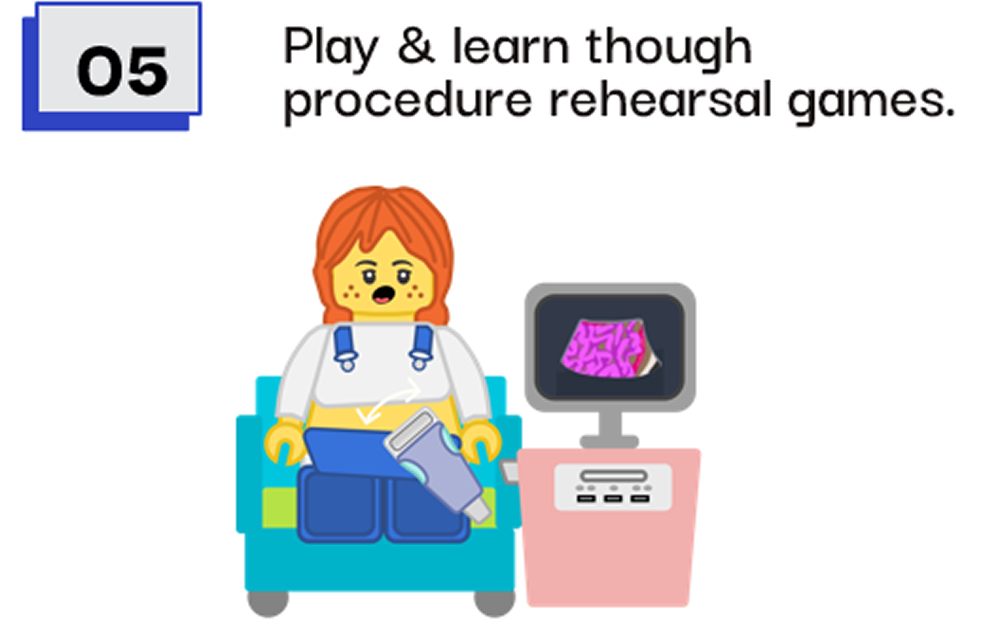
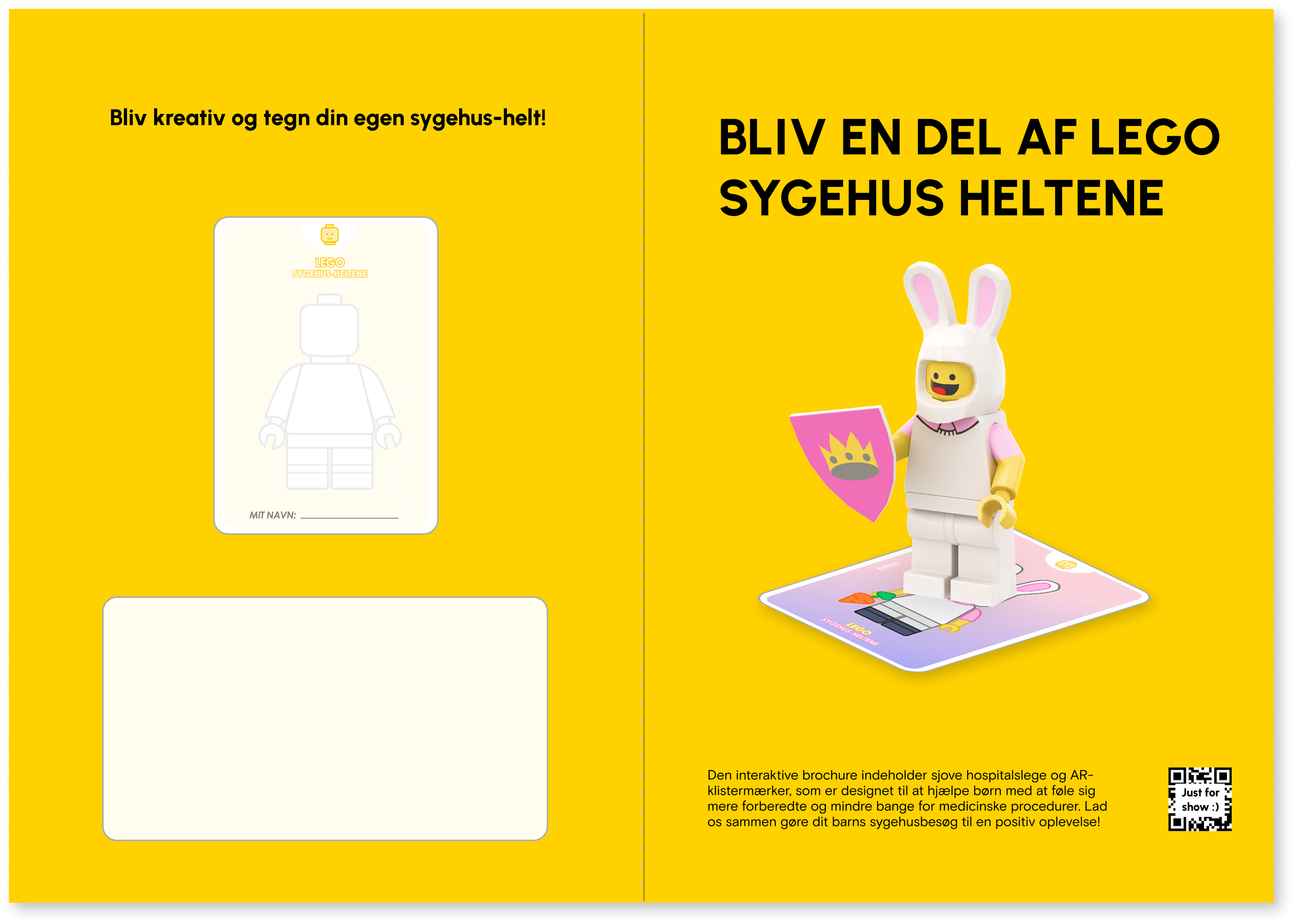
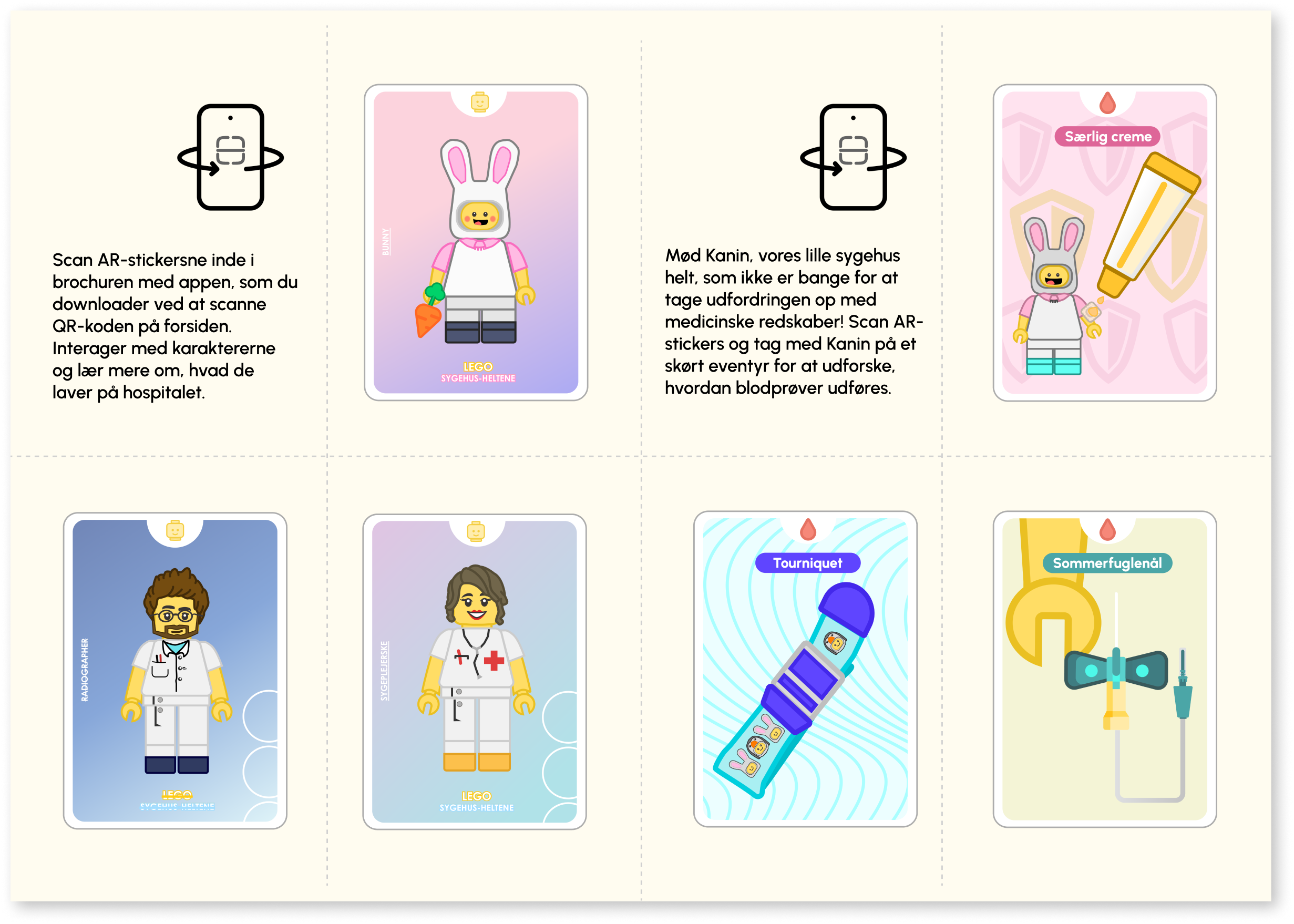
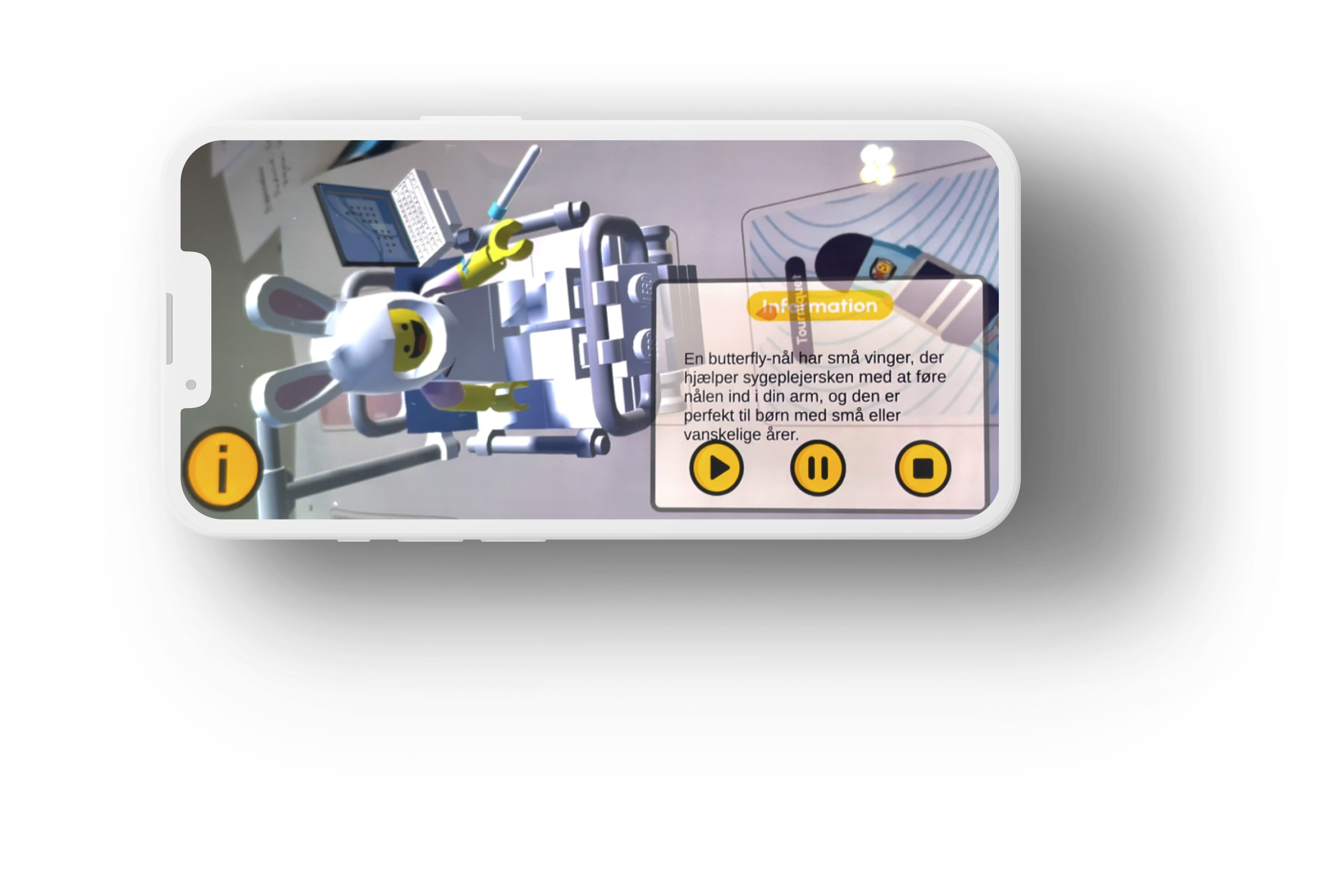
Medical tool and procedure cards that reveal animated AR content through the mobile app, making treatments more understandable for children.
A R D e v e l o p m e n t
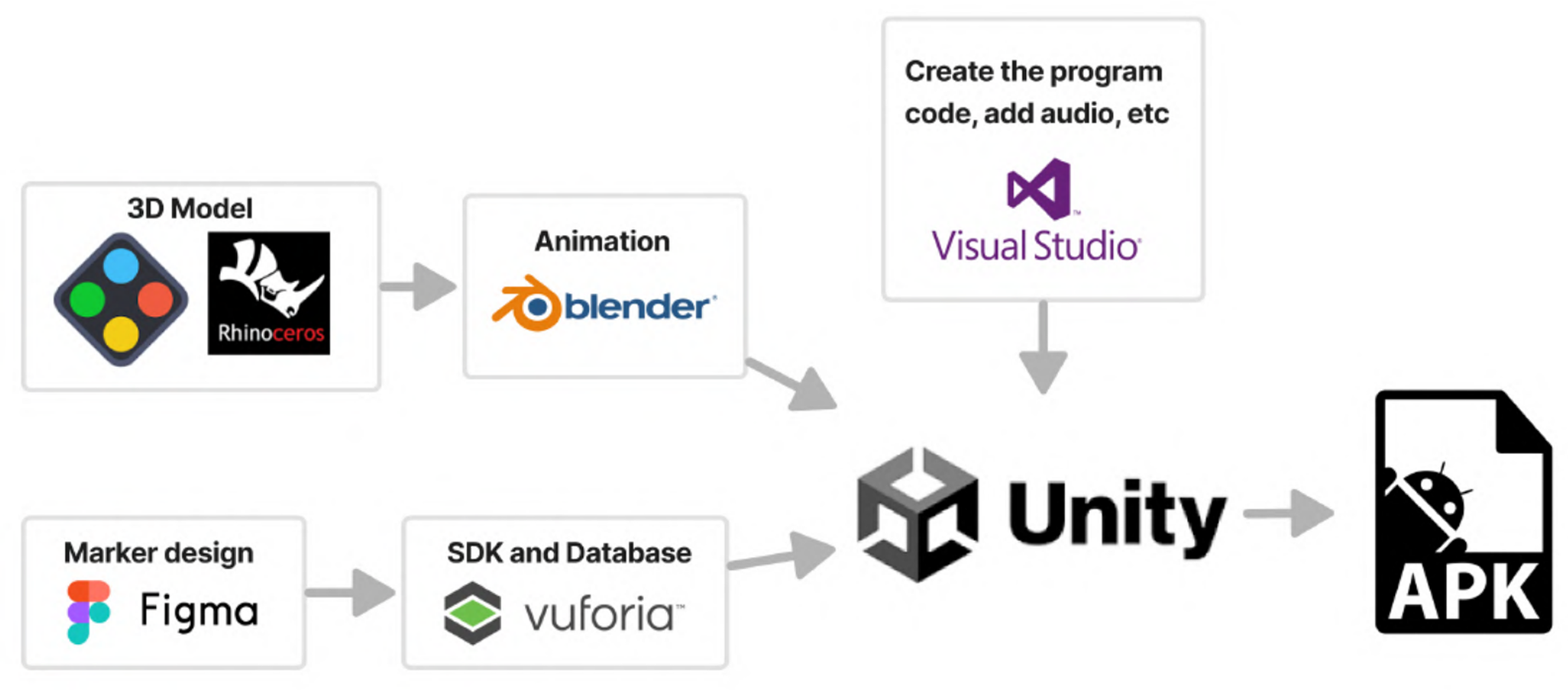
The implementation process involved several key steps, including 3D modeling and animation, marker design, and integration of elements in Unity.
M o b i l e G a m e D e s i g n
A Playful Journey Through Hospital Procedures with LEGO Friends
Interactive AR Game Prototype
Usability Testing
T e s t i n g M e t h o d s
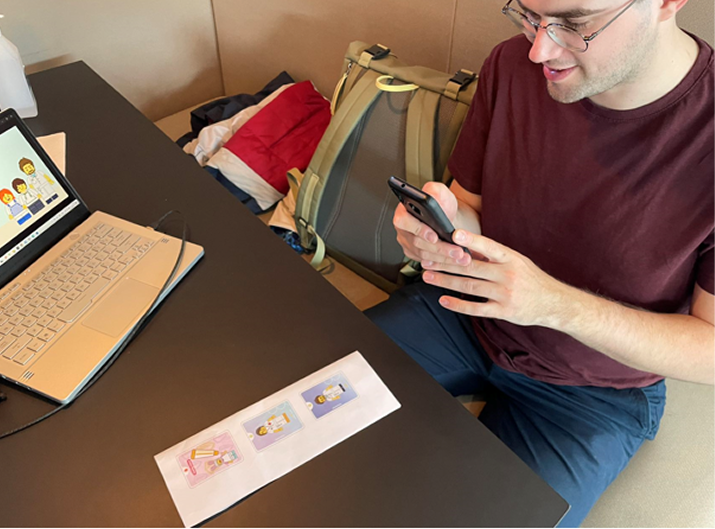
Usability testing with 3 adult participants
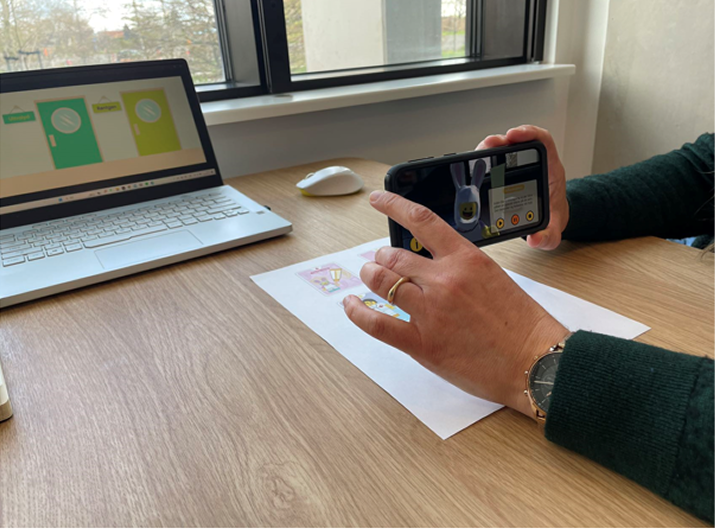
Design walkthrough with 2 HCPs
Qualitative Methods
· Open-ended interviews
· Think-aloud
· Design review
· UX Inspection
Quantitative Methods
· System Usability Scale (SUS)
· A/B testing
· Task Analysis
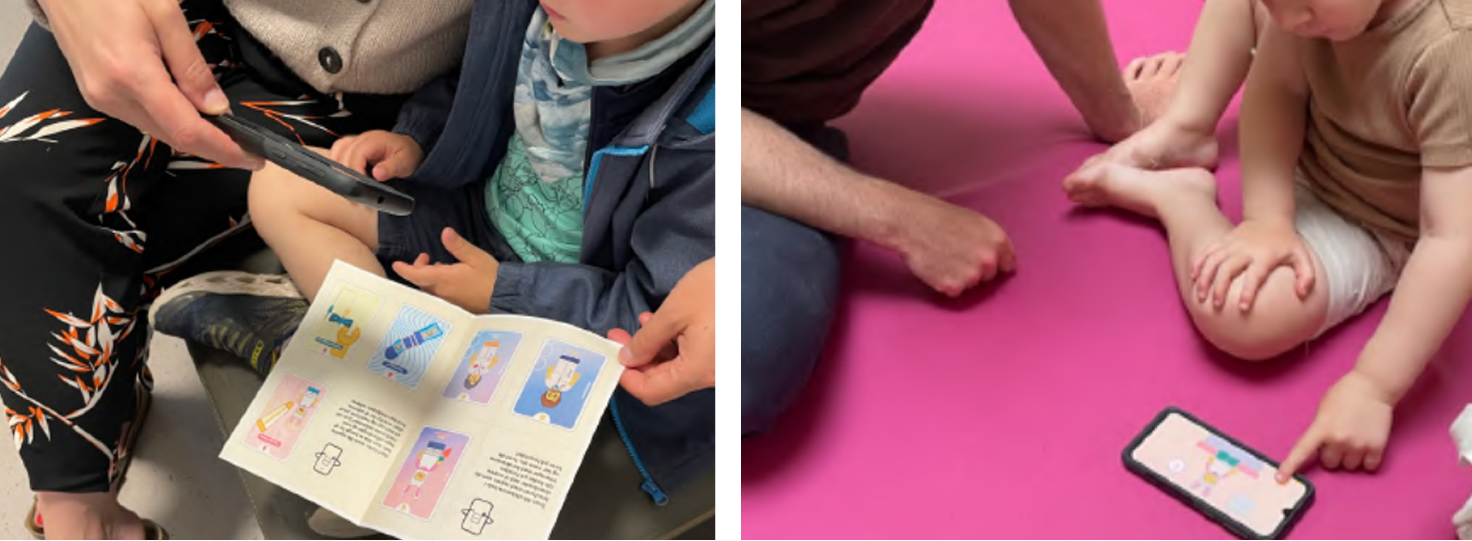
Clinical evaluation with 8 children and their caregivers
Qualitative Methods
· Pre-intervention questionnaires
Quantitative Methods
· Visual Analogue Scale (VAS)
· Observation
· Task Analysis
· Post-intervention questionnaires
M a i n F i n d i n g s
Findings from design walkthrough with HCPs
- Digital tool aids in familiarizing caregivers and children with procedures.
- It could be helpful tools for nurses especially during busy periods.
- No explicit risks were identified.
- Some medical terms may be too direct and their impact needs further evaluation.
- Intervention timing could be earlier.
- The physical intervention should be accessible for medical staff.
- The characters are children-friendly and fun.
- The interactive elements and AR can be interesting to children.
Findings from evaluation with children and caregivers
- Reflect easy to use (75%), most of the children can complete the game independently.
- All the children are new to AR and require help.
- 75% of children think the information is helpful.
- 75% of caregivers think the information is helpful and all of them would like to use in the future.
- 75% of children were willing to play again.
- However, the game could be more fun according to Likert scale.
- Children were more engaged while active gameplay, compare to passive video watching.
- Curiosity towards AR cards noted but interest didn't last long.
- Mobile game was more favored compared to AR cards.
Outcomes and Recommendations
O u t c o m e s
Recommendations
- Deepen medical info research
- Broaden procedure range
- Expand coping strategies
Recommendations
- Enhance game engagement
- Enhance usability and tech
- Improve passive video use
- Opt for neutral design
Recommendations
- Provide intuitive instructions
- Enhance object displays for realism and interaction
Recommendations
- Further effectiveness studies with relevant children
- Control studies with varied timestamp assessments
L i m i t a t i o n s
1. Child Participatory Design
Limited access to Danish children for design input. Insights primarily drawn from HCPs, caregivers, and observations, which could introduce biases in actually understanding children's needs.
2. Cultural Factors
Encountered challenges in adapting the game's context to align with Danish cultural norms and children's preferences. Language barriers posed difficulties in gathering qualitative data during child evaluations.
3. Clinical Evaluation
Constraints such as strict recruitment criterion, limited sample size, and seasonal variations hindered a formal summative effectiveness evaluation.
4. Intervention Timing
Unclear ideal timing to introduce the intervention. Balancing sufficient exposure and immediate relevance needs further exploration.
V i s i o n F r o m A C l i n i c a l P r o f e s s o r
"Ideally, in the future, I envision a future healthcare system that is child-centered, giving children some control over their experiences, while also considering the needs of healthcare professionals. The ultimate goal is to significantly reduce anxiety in children."


 Open to next role
 Have a nice project?
Hi, my name is . You can answer me on this email . I am looking for help with a .
Scan on another device